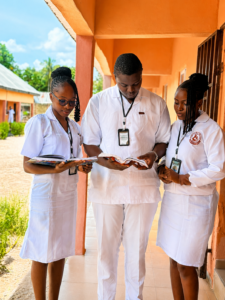
Beginning nursing school is an exciting milestone that marks the start of a journey toward a meaningful healthcare career. The first year introduces students to foundational knowledge, practical skills, and professional values that will shape their future practice. Understanding what to expect can help students adapt more effectively and make the most of their educational experience.
A New Academic Environment
Nursing education differs from many other academic programmes because it combines classroom instruction with practical application.
Students can expect courses in:
- Anatomy and Physiology
- Biology
- Basic Nursing Sciences
- Communication Skills
- Healthcare Ethics
These subjects provide the foundation for advanced learning in subsequent years.
Learning Professional Responsibility
Nursing students are expected to demonstrate professionalism, punctuality, and accountability.
Developing these qualities early contributes to academic success and future career readiness.
Practical Skills Training
Many nursing programmes introduce students to basic clinical skills through laboratory sessions and demonstrations.
Students learn procedures such as:
- Hand hygiene
- Patient observation
- Vital sign assessment
- Infection prevention measures
Building New Relationships
The first year provides opportunities to build friendships and professional networks.
Engaging with classmates, lecturers, and mentors can create a supportive learning environment.
Managing Academic Demands
Effective time management is essential.
Students should:
- Attend classes regularly
- Complete assignments promptly
- Establish consistent study routines
- Seek academic support when necessary
Developing Confidence
As students gain knowledge and practical experience, their confidence gradually increases.
Challenges encountered during the first year often contribute to personal growth and resilience.